


Effective Solutions for Hair Loss
Hair loss is a common concern that affects millions of people worldwide. It can impact confidence and self-esteem, making it important to find effective solutions. Fortunately, there are many options available today that can help slow down, stop, or even reverse hair loss. This article explores the best hair treatments, providing practical advice and detailed explanations to help you make informed decisions.
Understanding Hair Loss and Its Causes
Hair loss can occur for various reasons, including genetics, hormonal changes, medical conditions, and lifestyle factors. The most common type is androgenetic alopecia, also known as male or female pattern baldness. Other causes include stress, nutritional deficiencies, certain medications, and scalp infections.
Understanding the root cause of hair loss is crucial before starting any treatment. For example, hair loss due to stress might improve with lifestyle changes, while genetic hair loss may require medical intervention. Consulting a healthcare professional or dermatologist can help identify the cause and recommend appropriate treatments.
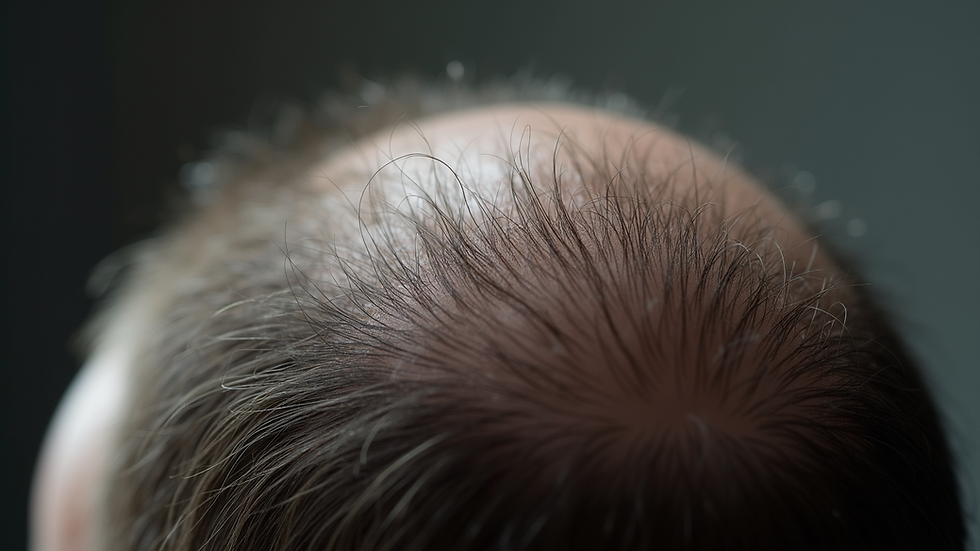
Exploring the Best Hair Treatments for Hair Loss
When it comes to the best hair treatments, there are several options ranging from topical solutions to advanced medical procedures. Here are some of the most effective treatments available:
1. Topical Treatments
Minoxidil: An over-the-counter medication applied directly to the scalp. It helps stimulate hair growth and slow hair loss. It is suitable for both men and women.
Finasteride: A prescription pill for men that reduces hair loss by blocking the hormone responsible for shrinking hair follicles.
Natural Oils and Serums: Products containing ingredients like rosemary oil, peppermint oil, and biotin can nourish the scalp and promote healthier hair.
2. Lifestyle and Dietary Changes
Balanced Diet: Eating foods rich in vitamins A, C, D, E, zinc, iron, and omega-3 fatty acids supports hair health.
Stress Management: Techniques such as meditation, yoga, and regular exercise can reduce stress-related hair loss.
Proper Hair Care: Avoiding harsh chemicals, heat styling, and tight hairstyles can prevent further damage.
3. Medical Procedures
Platelet-Rich Plasma (PRP) Therapy: Involves injecting your own platelet-rich plasma into the scalp to stimulate hair growth.
Hair Transplant Surgery: A surgical option where hair follicles are moved from one part of the scalp to thinning areas.
Laser Therapy: Low-level laser devices can improve hair density by stimulating follicles.
Each treatment has its pros and cons, and effectiveness varies from person to person. Combining treatments often yields the best results.

What is the Big 3 Treatment for Hair Loss?
The "Big 3" treatment is a popular and effective approach to managing hair loss. It combines three key components:
Minoxidil: Applied topically to encourage hair regrowth.
Finasteride: Taken orally to block the hormone DHT, which causes hair follicle shrinkage.
Ketoconazole Shampoo: An antifungal shampoo that also reduces scalp inflammation and DHT buildup.
This combination targets hair loss from multiple angles, making it one of the most comprehensive and widely recommended treatment plans. Many users report significant improvement in hair density and reduced shedding after consistent use.
It is important to consult a healthcare provider before starting the Big 3 treatment to ensure it is safe and appropriate for your specific condition.
Natural Remedies and Home Care Tips
For those who prefer natural approaches or want to complement medical treatments, several home remedies can support hair health:
Scalp Massage: Regularly massaging the scalp increases blood flow to hair follicles, promoting growth.
Aloe Vera: Applying aloe vera gel soothes the scalp and reduces dandruff.
Onion Juice: Rich in sulfur, onion juice can stimulate hair follicles and improve hair strength.
Avoiding Heat and Chemicals: Limiting the use of hair dryers, straighteners, and chemical treatments helps prevent breakage.
While natural remedies may not reverse severe hair loss, they can improve scalp health and support other treatments.

How to Choose the Right Hair Loss Treatment for You
Selecting the best hair treatment depends on several factors:
Cause of Hair Loss: Identify whether it is genetic, hormonal, or due to other factors.
Severity: Mild thinning may respond well to topical treatments, while advanced loss might require surgery.
Budget: Some treatments like hair transplants can be costly, while others like shampoos and oils are more affordable.
Lifestyle: Consider how much time and effort you can dedicate to treatment routines.
Medical Advice: Always seek professional guidance to avoid ineffective or harmful treatments.
For those looking for a reliable source of hair loss treatments, consulting specialists who offer personalized plans can be very beneficial.
Maintaining Healthy Hair After Treatment
Once you start seeing improvements, maintaining healthy hair is essential to prevent future loss. Here are some tips:
Continue using prescribed treatments as directed.
Maintain a nutritious diet rich in hair-friendly vitamins.
Protect hair from environmental damage by wearing hats or using UV protection sprays.
Avoid excessive washing and harsh shampoos that strip natural oils.
Schedule regular check-ups with your dermatologist to monitor progress.
By adopting these habits, you can enjoy stronger, fuller hair for the long term.
Hair loss can be challenging, but with the right knowledge and treatment plan, it is possible to regain confidence and improve hair health. Whether you choose medical treatments, natural remedies, or a combination of both, consistency and patience are key to success. Explore your options and take the first step toward healthier hair today.


Comments